New Delhi | Khabar Kendra Media
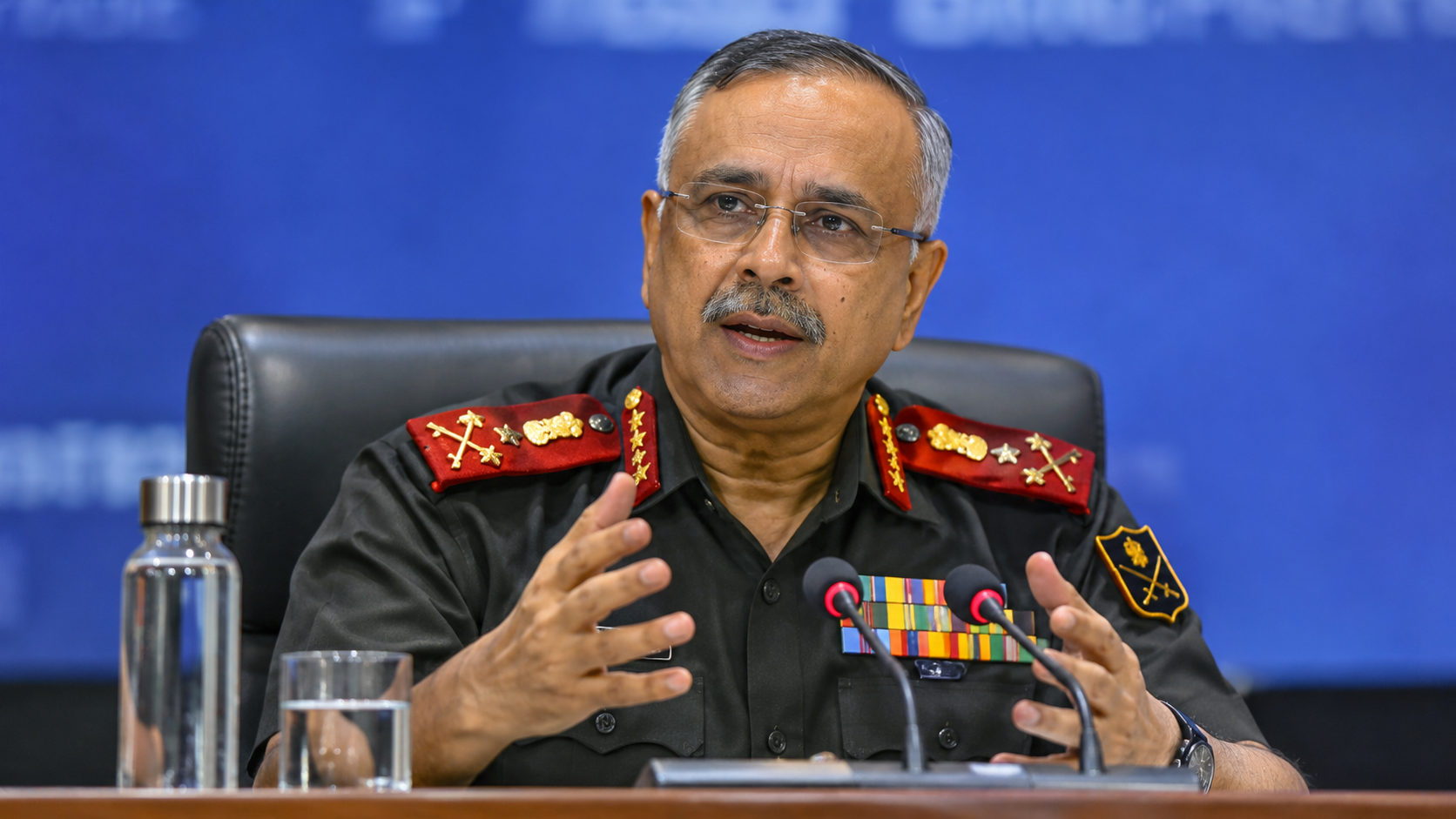
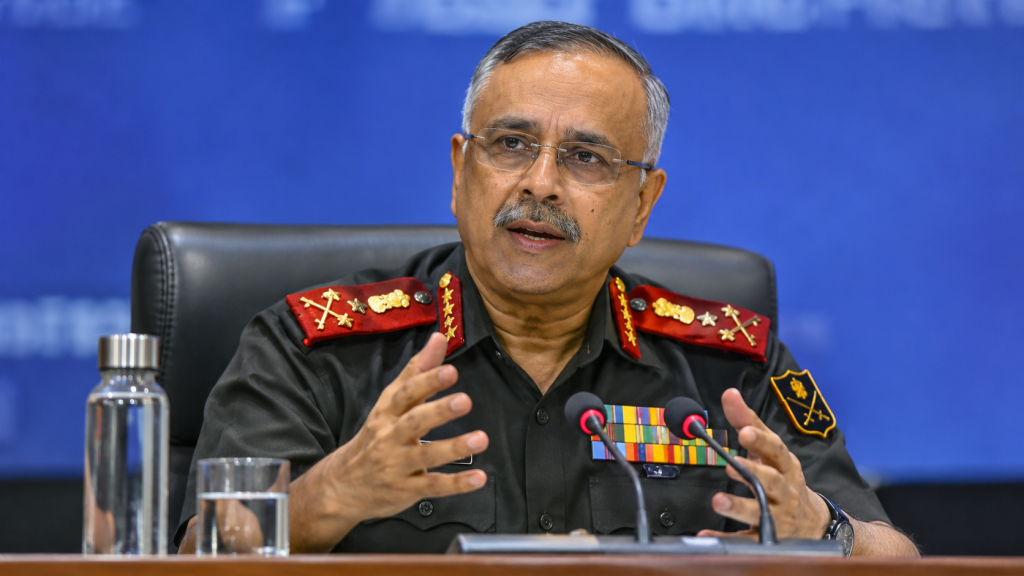
The Union Cabinet has approved a two-year extension of service for Agniveers under the Agnipath scheme. CDS General N.S. Raja Subramani announced the decision. on November 4, 2026.
The new provision introduces an additional two-year engagement period. It will offer Agniveers more time to qualify for regular military service.
Under the revised arrangement, 25% of Agniveers will be enrolled into the regular armed forces after completing four years. The remaining 75% will be offered an additional two-year service period.
After six years, willing Agniveers may be considered for regular enrolment. However, they must meet the prescribed selection criteria.
Agniveer Service Tenure Extension: What Has Changed?
The Agniveer service tenure extension introduces a new opportunity for candidates completing their initial four-year engagement.
Previously, Agniveers served under a fixed four-year term. Only 25% could continue as regular soldiers, based on merit and selection criteria.
Now, the remaining 75% will receive an additional two-year engagement opportunity.
This means eligible candidates could serve for six years before their final selection.
The revised arrangement aims to provide more opportunities for Agniveers seeking a permanent career in the armed forces.
How the New Agnipath Scheme Will Work
The revised service arrangement will follow a structured process.
Here is how the proposed system will operate:
- First four years: Agniveers complete their initial service tenure.
- Regular enrolment: Up to 25% will be selected for regular military service.
- Additional two years: The remaining 75% will receive an additional two-year service period.
- Final selection: Willing Agniveers may be considered for regular enrolment after six years.
- Selection criteria: Candidates must meet the prescribed eligibility and selection requirements.
The additional service period does not automatically guarantee permanent employment. Final enrolment will depend on the applicable selection criteria.
Rajnath Singh Announces Second Tour of Duty
Defence Minister Rajnath Singh welcomed the Cabinet’s decision.
He described the additional two-year engagement period as a significant step in defence reforms.
According to Singh, the decision will provide willing Agniveers an opportunity to become regular soldiers after completing four or six years of service.
However, candidates must meet the required selection criteria.
Singh also said the decision would support the development of a younger, fitter, and technologically equipped military.
He added that the reform would help prepare India’s armed forces for the changing nature of warfare.
What Happens to Agniveers After Six Years?
The new arrangement provides an additional opportunity for Agniveers who are not selected during their initial four-year tenure.
They can continue serving for another two years under the second tour of duty.
After completing six years, willing candidates may be considered for regular enrolment.
However, selection will depend on objective criteria.
Agniveers who are not retained after six years will not receive reservation in government jobs under the provisions described in the announcement.
Therefore, the extension offers additional service opportunities. It does not guarantee permanent employment or government job reservation.
What Is the Agnipath Scheme?
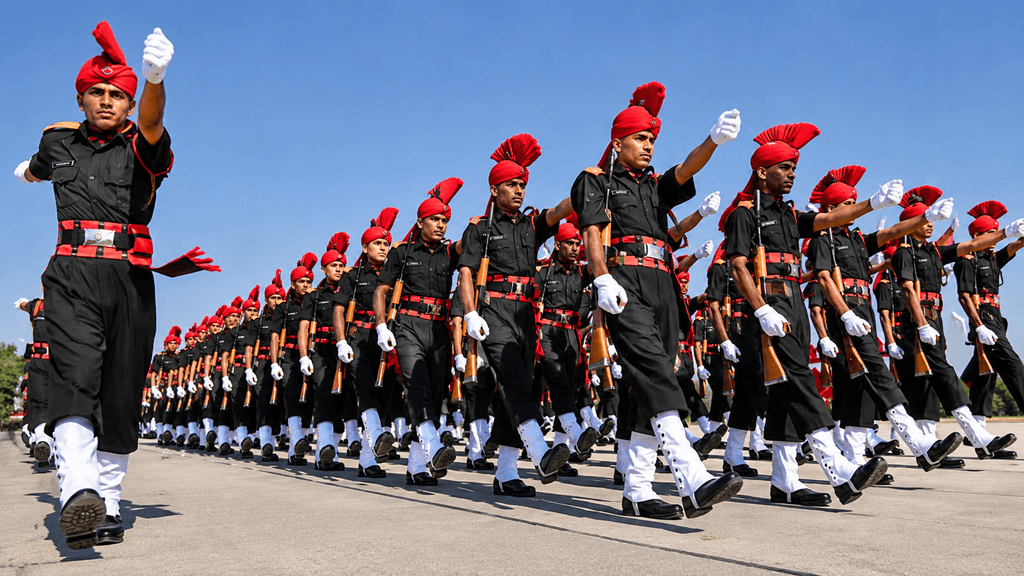
The government introduced the Agnipath scheme in 2022 for recruiting young personnel into the Indian Army, Navy, and Air Force.
It allows candidates to serve as Agniveers for a short-term period.
The scheme initially covered candidates aged between 17.5 and 23 years, subject to the applicable recruitment rules.
Under the original arrangement, Agniveers served for four years.
After completing their tenure, up to 25% could be selected for regular military service.
The remaining candidates would leave the armed forces after completing their engagement.
The latest decision introduces an additional two-year service opportunity for those not selected during the initial period.
Why the Two-Year Extension Matters
The Agniveer service tenure extension could provide several benefits to eligible candidates.
First, it offers additional time to gain military experience.
Second, it provides another opportunity to qualify for regular military service.
Moreover, the extended period may help candidates develop technical skills and improve their professional experience.
The decision also reflects the government’s continued focus on restructuring military recruitment.
However, the final impact will depend on the implementation of the revised policy and its selection criteria.
Khabar Kendra Media: The Union Cabinet’s decision introduces a two-year second tour of duty for Agniveers. The revised arrangement offers additional service opportunities and a possible path to regular military enrolment. However, permanent selection will remain subject to the prescribed criteria.