

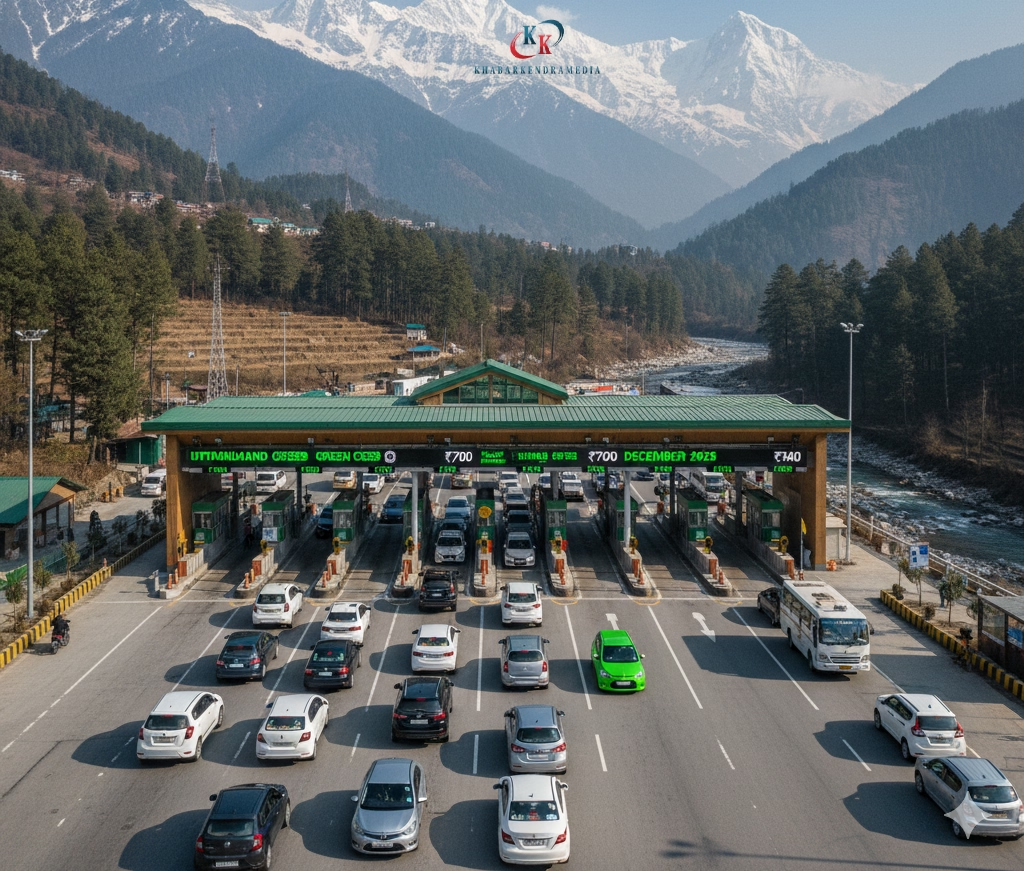
Dehradun, October 26, 2025. Planning a trip to Uttarakhand’s scenic hills this December? Brace yourself for a new charge: the Uttarakhand government has mandated a Green Cess on out-of-state vehicles entering the state, effective December 2025. Aimed at curbing air pollution and boosting road safety, this eco-friendly tax is projected to add ₹100-150 crore annually to the state’s coffers. From cars to trucks, the cess will be auto-deducted via FASTag, with exemptions for eco-friendly and emergency vehicles. Here’s everything you need to know about this game-changing move.
Green Cess: How It Works
Starting December 2025, vehicles registered outside Uttarakhand will face a mandatory Green Cess upon entry. According to Additional Transport Commissioner S.K. Singh, the cess will be seamlessly collected through FASTag systems, ensuring a hassle-free process. To enforce compliance, the state has installed Automated Number Plate Recognition (ANPR) cameras at 16 key border points, including Kulhal, Asharodi, Narsan, Chidiyapur, Khatima, Kashipur, Jaspur, and Rudrapur, covering both Garhwal and Kumaon regions.
The initiative, backed by a partnership with a private firm, ensures transparency and efficiency. The collected funds will fuel air pollution control, road safety enhancements, and urban transport development, aligning with Uttarakhand’s green vision.
Cess Rates: From ₹80 to ₹700
The Green Cess varies by vehicle type, designed to balance revenue with fairness:
| Vehicle Type | Green Cess (₹) per Entry |
|---|---|
| Car | 80 |
| Delivery Van | 250 |
| Heavy Vehicle | 120 per day |
| Bus | 140 |
| Truck (by size) | 140–700 |
Exemptions: Two-wheelers, electric vehicles, CNG vehicles, government vehicles, ambulances, and fire brigade vehicles are spared. Plus, if a vehicle re-enters within 24 hours, it won’t be charged again, making short trips cost-effective.
Revenue Boost and Delayed Rollout
The state estimates an annual revenue surge of ₹100-150 crore, a significant leap for infrastructure and environmental projects. While the Green Cess was first announced in 2024, delays in finalizing rates pushed implementation to 2025. “The biggest challenge was setting fair charges that balance revenue and public convenience,” a government source revealed. With systems now in place, Uttarakhand is ready to roll out this eco-tax, positioning itself as a leader in sustainable transport policies.
Why It Matters
This move comes as Uttarakhand grapples with rising vehicular emissions, especially from tourist influxes to destinations like Mussoorie, Nainital, and Haridwar. The cess not only funds cleaner air initiatives but also signals a shift toward sustainable tourism. However, some travelers worry about added costs during peak seasons. “It’s a small price for cleaner hills, but clarity on fund usage is key,” said a Delhi-based tourist planning a December getaway.
As Uttarakhand gears up for this green revolution, travelers and traders alike are watching closely. Will this cess pave the way for a cleaner, safer state? Share your thoughts in the comments!

